Resilience and Resistance
The Resilience and Resistance of the Mississaugas of Scugog Island
The Mississaugas of Scugog Island exhibit remarkable resilience, embodying their ability to adapt and persist in the face of historical and ongoing challenges. Their resilience is reflected in their commitment to maintaining their cultural identity despite the impact of colonization. Examples of their resistance are seen in various forms. One significant form of resistance involves their active engagement in land claims and negotiations with the Canadian government. These negotiations aim to address historical injustices and regain control over their traditional territories. This includes seeking legal recognition and compensation for lands ceded in earlier treaties.
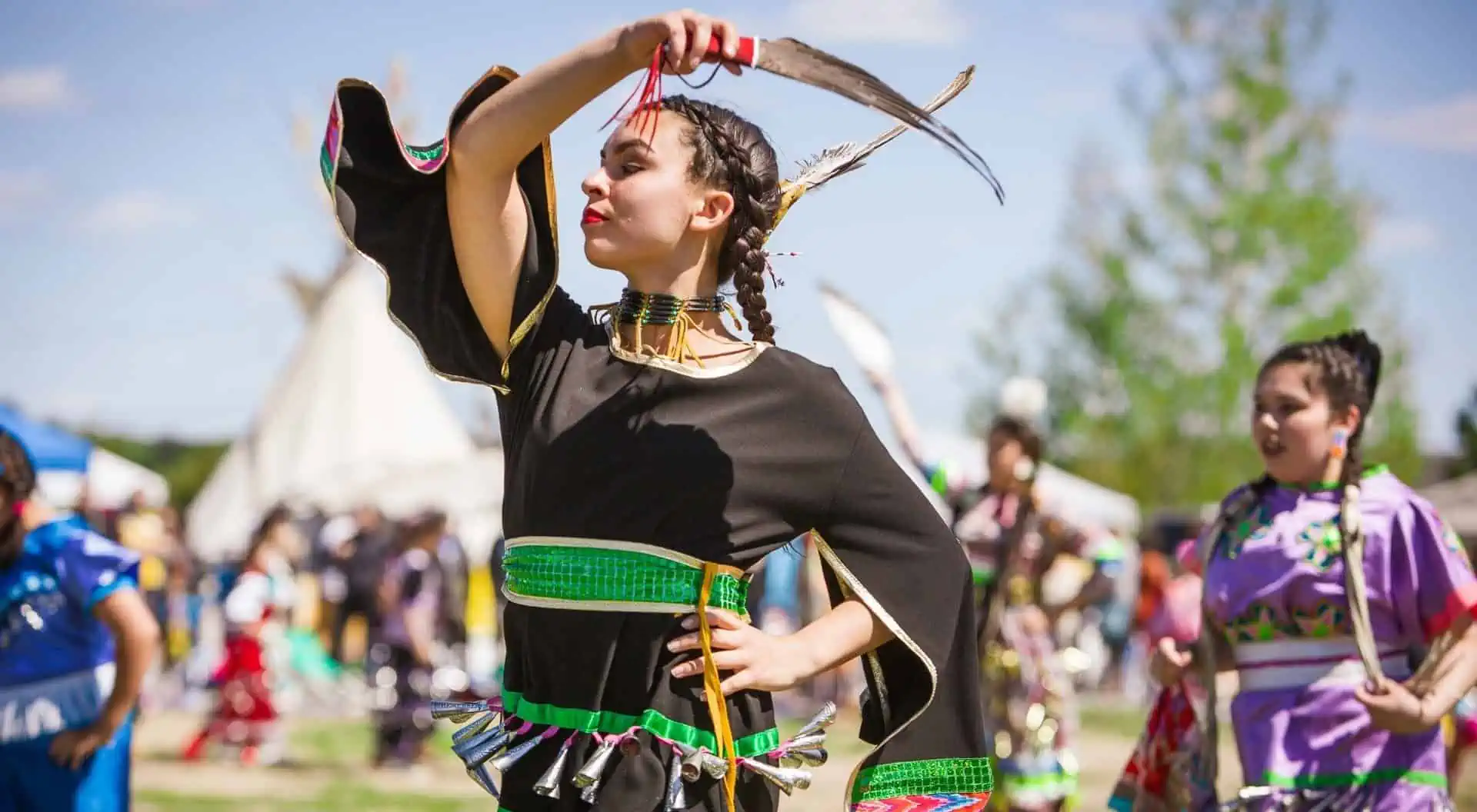
Another form of resistance is evident in their cultural revival and reclamation efforts. These endeavours are driven by a desire to preserve their languages, traditions, and spiritual practices. They serve as a robust response to the erasure of their cultural identity resulting from colonial policies. Furthermore, the community advocates for self-determination and self-governance as they seek greater autonomy in managing their affairs and resources. This advocacy aims to secure a more meaningful role in decision-making processes affecting their community. Solidarity and alliances play a crucial role in their resistance efforts. The Mississaugas of Scugog Island have formed alliances and received support from Indigenous rights activists, non-Indigenous individuals, and organizations. These allies join them in their fight to protect their lands and assert their rights.
Individuals and communities can take various meaningful actions to center Indigenous voices and combat the erasure of Indigenous peoples, their cultures, and their voices. One necessary action is actively seeking out Indigenous voices, perspectives, and sources of knowledge. Listening to Indigenous communities' stories and experiences can help them better understand their histories and contemporary challenges. Supporting Indigenous-led initiatives is another crucial step. This involves backing Indigenous organizations, businesses, and cultural events. It also includes purchasing Indigenous art and products and participating in educational programs.
Being an ally and advocating for Indigenous rights is an effective way to contribute. This includes supporting recognizing Indigenous rights, such as land rights, self-determination, and sovereignty. It involves supporting Indigenous communities in their efforts to negotiate with governments. Promoting the incorporating of Indigenous perspectives, histories, and contributions in educational curricula is crucial in combating the erasure of Indigenous cultures and histories in the education system. Amplifying Indigenous voices is a decisive action. Using one's platform and privilege to share and promote Indigenous art, literature, and initiatives ensures their voices are heard and celebrated.
Engaging in reconciliation efforts by acknowledging historical injustices and the ongoing impact of colonization is vital. This includes supporting policies and initiatives that promote justice and equity for Indigenous communities. Participating in Truth and Reconciliation efforts is another meaningful action. Engaging with the recommendations of Truth and Reconciliation Commissions or similar initiatives helps address past wrongs and work towards healing and reconciliation. By taking these actions, individuals and communities can play a role in recognizing and honouring Indigenous voices and cultures, as well as promoting justice, equity, and healing for Indigenous peoples.
As a Chinese-Canadian, I am dedicated to advocating for the rights and representation of the Mississaugas of Scugog Island. Understanding the importance of recognizing and preserving Indigenous cultures and histories, I actively engage in collaborative efforts, bridging communities to raise awareness and support the Mississaugas' causes. By amplifying their voices, sharing their stories, and working in solidarity with their leaders, I aim to bring attention to their cultural heritage, land rights, and social issues. Through respectful partnerships and advocacy, I strive to foster a more inclusive and equitable society where the Mississaugas of Scugog Island are rightfully acknowledged and empowered.
Sources and External Resources
- “An Existential Threat”: MSIFN raising concerns about heightened competition against Great Blue Heron casino. Durham Radio News. (2023, June 14). https://www.durhamradionews.com/archives/170250
- Dicta, O. (2021, June 3). An interview with Anishinaabe artist, Luke Swinson: Reclaiming, re-discovering, and reviving his culture, one illustration at a timeO. IP Osgoode. https://www.iposgoode.ca/2021/06/an-interview-with-anishinaabe-artist-luke-swinson-reclaiming-re-discovering-and-reviving-his-culture-one-illustration-at-a-time/
- Rada, M. (2022, September 27). Episode Eighteen: Chief Kelly Larocca. Scugog Council for the Arts. https://scugogarts.ca/art-waves/episode-eighteen-chief-kelly-larocca/